Molly Grace’s 2026 ‘Lovergirls’ Tour Turned Downstairs at Subterranean Chicago Into a Sapphic Dance Party
An On Record Chicago feature.
Molly Grace brought more than a concert to Chicago. She created a dance floor that belonged to everyone on it.
Downstairs at SubT, there was no fourth wall to perform through. There was just a room full of queer folks ready to party with their favorite artist, who designed a night to celebrate them.
So much of going to a show typically means watching from a distance while someone performs at you, in their own little world. Molly Grace brings the community energy we've been missing. Right now, simply affording a night out, finding the time and energy for it, and picking the right place to spend it gets harder every day. A unique and impactful environment like what Molly created isn't just nice-to-have, it's what we need to be building for fans. Her Lovergirls: A Sapphic Soirée tour stop for Chicago Pride Month was the innovation we’ve been asking for.
Building Queer Community through live shows
"It feels like a little family," Molly told us before the show. Then an hour later, watching her run the stage while somehow still sharing it with every single person in the crowd, we understood exactly what she meant.
The Lovergirls tour has carried her through LA, Boston, New York, DC, and Chicago throughout the 2026 Pride Month. She’s performed at some of these places multiple times now and she's started recognizing faces.
"I know you!" She described thinking as she looked out into her audience. The same people who were at her first shows come back to see her, and this time with friends or partners. The crowd isn't a number to her. It's people she's watched grow, a community she’s built.
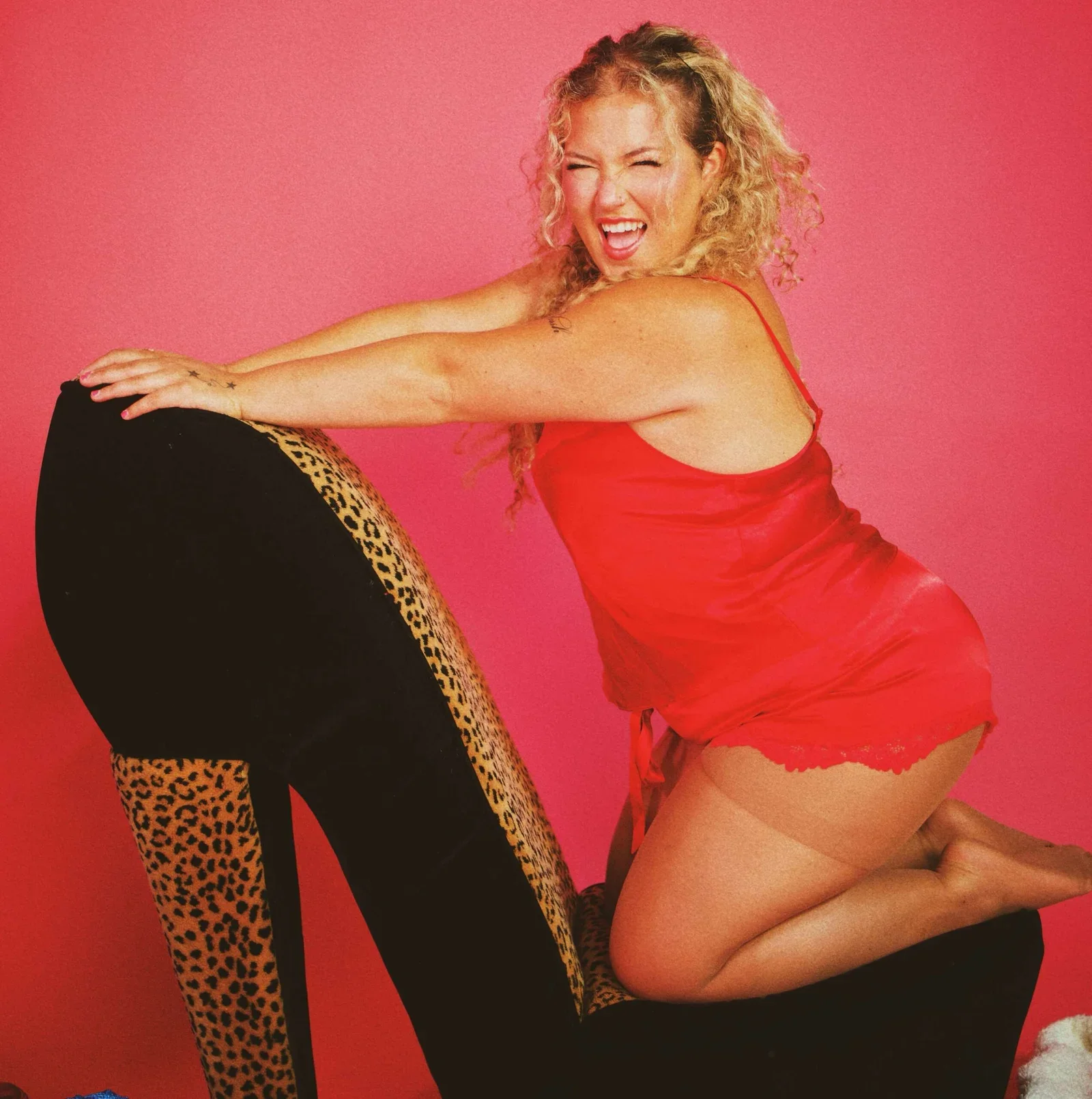
Photo by: Bella Sgarlata
A safe dance club experience for sapphics of all backgrounds
What Molly has designed is a safe clubbing night for a truly diverse group of sapphics. It was a show built for dancing, not just watching.
"The goal is for people to be dancing and to feel like it's a party as well as a concert," she said. It's a deliberate fusion of two things she loves: performing and the sapphic dance nights she seeks out in her own city.
Part of how she pulls that off is by sharing the space with local queer DJs in every city. In Chicago, that was DJ Sandra Suave, an artist who showed up with the same genuinely kind, community-centered energy as Molly and who set the mood before the main performance even took the stage.
For Molly, booking local DJs is a really easy way to give back and the best way to get to tap into each city's local scene. The result is a night that feels rooted in the community where it's happening, not parachuted in.
"An escape from that noise"
If you know Molly, you know she is an advocate for body positivity and diversity. Asked what goes through her mind when she looks out at a crowd of people dressed up, dancing, and taking up space, Molly said, "it just makes me feel so grateful, and it gives me such a purpose to feel like I can create these safe spaces.”
She talked about seeing real diversity in her crowds and about what it means to her to be someone an audience can see themselves in. In a culture she described as loudly pushing thinness, she notes, "I'm happy that my concerts can be kind of an escape from that noise."
Across the tour, she has also connected with local queer organizations. Some tabling at the shows, others supporting through ticket sales. It’s clear that Molly is always looking for ways to make an impact beyond her own set.
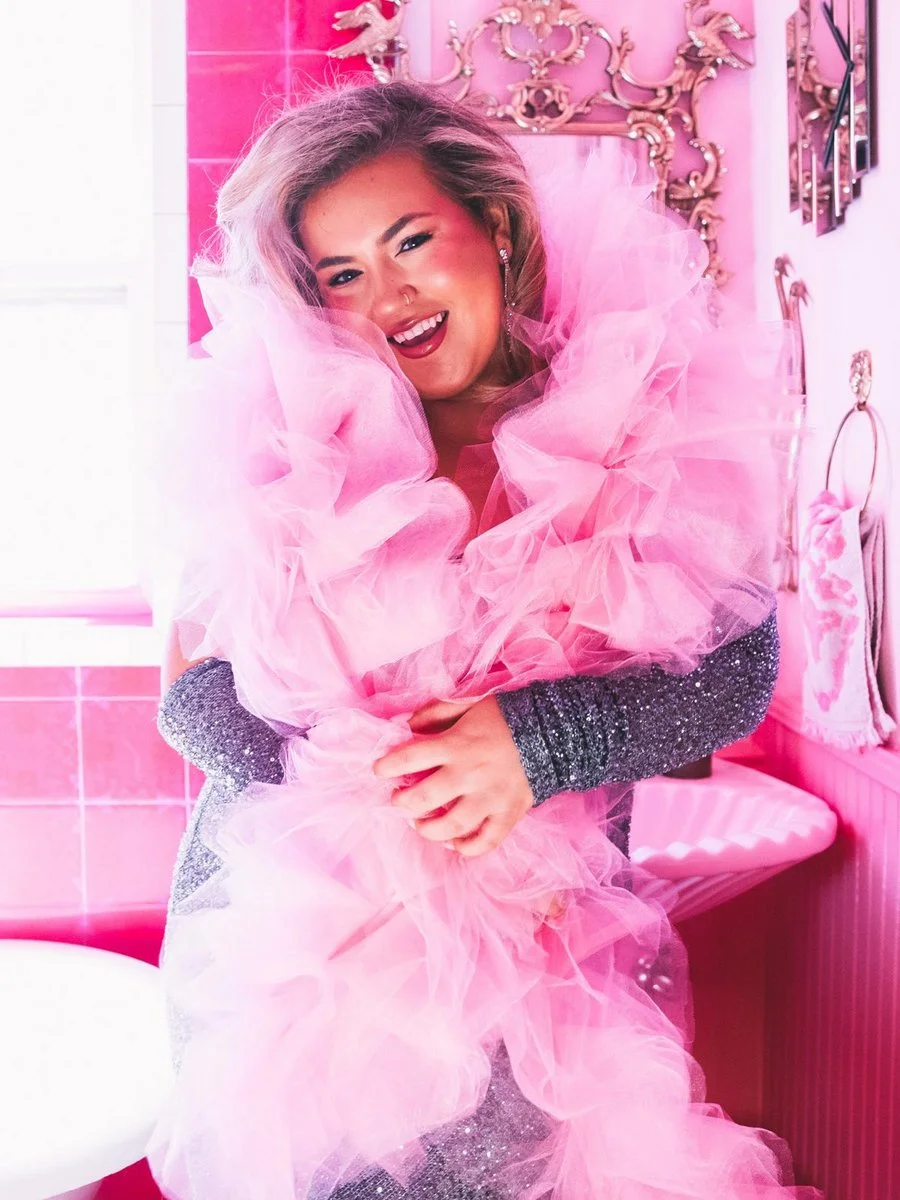
Photo by Bella Sgarlatta
Molly Grace’s Chicago Setlist: from original songs to Lady Gaga covers
The room knew every word as Molly performed some of her classics like Lemme, Mad at Her Forever, Call It Quits, Soprano, Say When, Heaven Sent, Lover (Love Her), and of course F.E.M.M.E.
She even did a cover of Lady Gaga's "Telephone" which stood out to us, not only for the dance party vibes, but in the way it was presented. During this song, Molly gave her background singers and dancers equal time at center stage, stepping back to let the performers alongside her take the spotlight. It's a small choice that says everything about how she runs a show. Even the moments built to be hers were moments she shared and uplifted those around her.
What’s next for Molly Grace?
She's in the thick of a new album right now. It is fully written, she told us, but she is still "very deep in the creation process."
Her previous work has been a bold, on-the-nose celebration of queer joy as she fully stepped into herself. This new stage is more nuanced. Now that she has spent more time in her identity, there are deeper feelings and emotions to write about, and she's challenging herself to find what she hasn't explored yet.
What should we expect? What's surprised her isn't a departure so much as a homecoming. She's leaning hard back into her original disco and funk sounds featured in Blush, rediscovering them as the center of her art. "That's just the music that makes me really happy," she said.
Her audience, judging by the Chicago show on June 24th, will be very glad to hear it.
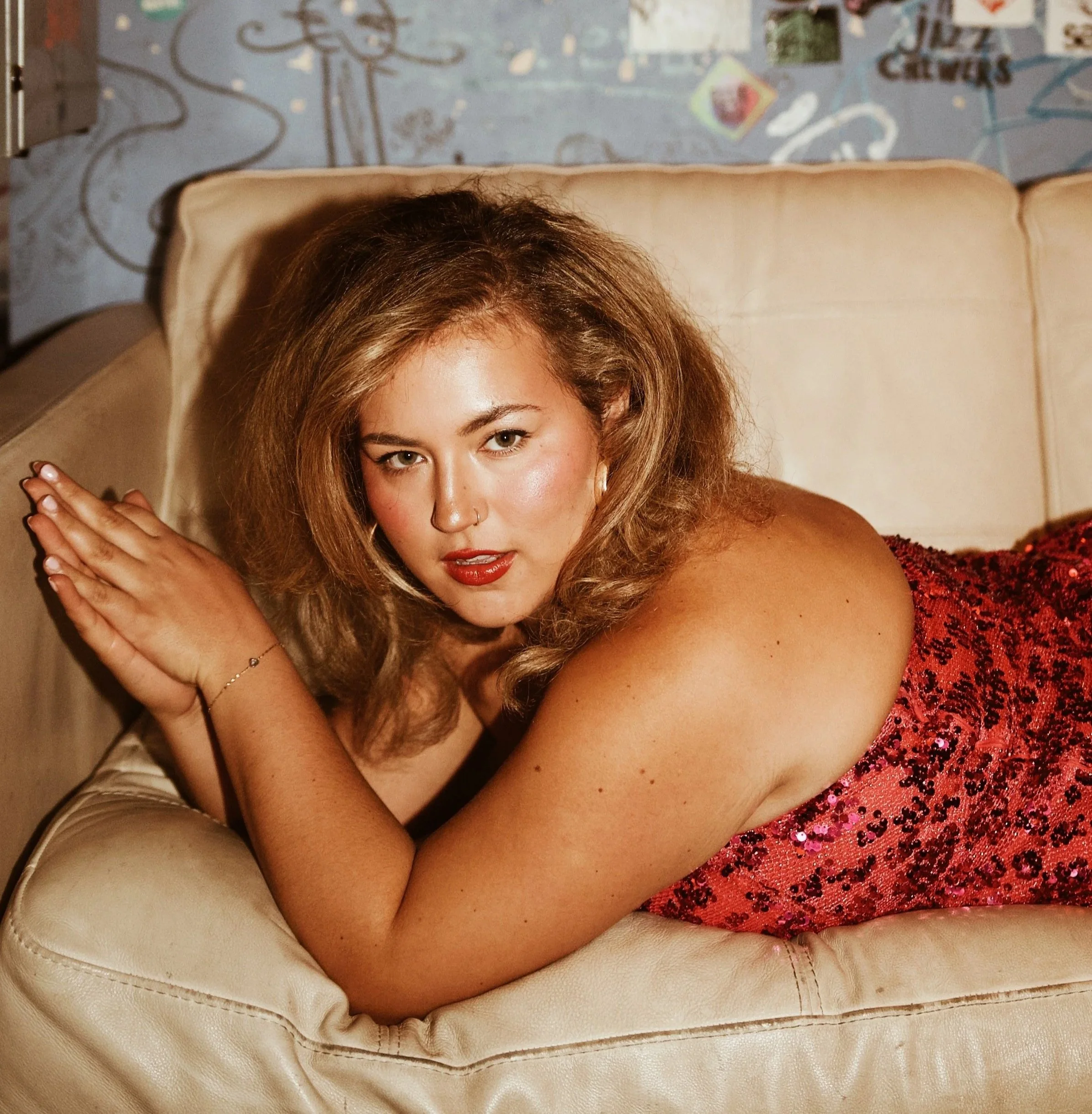
Photo by Bella Sgarlatta
Why this is the kind of night worth noting
The night was joyful, funky, fast-paced, intentional, and genuinely welcoming. A fan-girl singalong with powerhouse vocals at the front. It was one of the most community-oriented concerts some of us have ever been to.
Molly Grace is doing what the music industry sometimes forgets is possible. She is an independent artist bringing local DJs up alongside her, partnering with grassroots queer organizations, choosing intimate rooms over the big ones, and building a space where her audience can take up space and feel like family. She runs the stage and shares it with everyone all at the same time.
You really did have to be there. The next best thing is knowing that the people building nights like this are out there doing it on their own terms, almost famous.